Are You at Risk When a Filling Fell Out? How to Prevent Tooth Damage
It is alarming when a filling suddenly feels different, or you notice a rough spot with your tongue, then realize part of the filling is gone. Most people assume the worst part is the gap itself. In reality, the bigger concern is what the gap exposes and how quickly it can lead to tooth damage from lost filling.
If your filling fell out, you are not automatically facing a disaster. But you are taking on a real, preventable risk. The tooth that used to be protected now has a pathway for sensitivity, decay, and even more complex damage if things linger.
What changes when a filling fell out?
A filling is not just cosmetic. It restores the tooth surface so food pressure is managed and bacteria cannot freely settle into the spaces.
When a filling falls out, a few things can happen quickly:
- The tooth surface may become rough, and that roughness can catch food and plaque.
- Cold, sweet, or air can trigger sharp sensitivity because the protective layer is no longer sealed.
- Bite forces that were previously distributed by the restoration now concentrate on weakened spots.
From experience, the timeline matters. Some teeth feel “fine” for a short time, and that often leads people to wait. But a tooth can be in a quiet stage while bacteria slowly build up around the margin, especially if the tooth was already compromised before the filling came out.
Why tooth damage can happen even if it does not hurt yet
Pain is not always the first sign. Many dental problems start as irritation at the edge of the restoration. If the filling fell out because the tooth structure underneath had weakened, the tooth can continue deteriorating under normal chewing.
If you notice swelling, a persistent bad taste, or pain when biting, that suggests the situation is no longer just surface exposure. In those cases, delaying dental repair options can shift a straightforward fix into something more involved.
How to tell if you are at risk right now
You might feel tempted to judge your risk by comfort alone. I have seen patients come in worried after a filling fell out, only to find the tooth is stable. I have also seen patients who reported “no pain” and later learned there was more damage than they expected.
Here are practical signs that you should treat as higher risk:
- Sensitivity that lingers more than a few days, especially to cold or sweet.
- Pain when you bite down, or a feeling that the tooth is “high” or unstable.
- Visible holes or dark spots where the filling used to be.
- Food trapping in the area, which you have to keep removing with floss.
- Bad breath or bad taste that seems to come from that exact tooth.
If none of those are present, you still need dental protection after filling loss. But the urgency may be a bit different. The goal is to stop the exposed area from becoming a bigger cavity or creating a fracture line.
A note about “temporary relief”
Some people apply temporary sealing material at home or use over-the-counter kits. That can help with discomfort and keep some debris out. Still, it is not the same as restoring the tooth with a proper fit. A temporary barrier may wear down with chewing, and it can also mask the true state of the tooth until you are in the chair.
Urgent dental repair options, and what typically comes first
When you call a dental office, they are usually thinking about two things: how soon to repair it and whether the tooth needs an additional evaluation for decay, cracks, or an old restoration failing.
If your filling fell out, common urgent dental repair options may include:
- Resealing or re-filling if the tooth structure is intact and the cavity is limited.
- A crown or onlay when the tooth has lost too much structure or has a higher chance of fracture.
- A dental filling replacement with updated materials if the previous one failed at the margin.
- A root canal evaluation if there are signs of nerve involvement, such as lingering sensitivity or biting pain that suggests deeper issues.
- Stabilization for a cracked tooth, where the repair plan may depend on how much of the tooth is affected.
The decision comes down to examination and imaging, plus how the tooth responds during a bite test. Even https://emergencydentistmaidenhead.co.uk so, you can often expect a plan within one appointment if you contact the office promptly, especially when symptoms are mild but a gap is visible.
Timing that matters
If the filling fell out recently, the exposed area can attract plaque quickly. If it has been gone for a while, the tooth may be more vulnerable. In either situation, the safest approach is to contact a dentist sooner rather than later and ask what level of urgency they recommend based on symptoms.
If you have severe pain, visible swelling, or trouble swallowing, do not wait. Dental infections and tooth trauma need rapid attention.
How to prevent tooth damage while you wait for care
Waiting for an appointment can feel helpless, but there are steps that reduce risk and protect the tooth surface.
What to do today
- Rinse with warm salt water if the area feels irritated, then gently brush the surrounding teeth.
- Keep it clean without over-scrubbing the cavity area. A soft touch is often enough, especially near sensitive margins.
- Floss carefully, making sure debris does not build up between teeth around the gap.
- Avoid sticky sweets and very hard foods on that side, because they can worsen sensitivity or dislodge remaining material.
- Consider a temporary dental protection step if your dentist advises it, rather than improvising with household products.
These steps are not replacements for repair, but they lower the odds of tooth damage from lost filling while you line up professional treatment.
What to avoid
It is easy to do damage while trying to help. I often tell patients to skip actions that can irritate the tooth or contaminate the area.
Try to avoid: - Chewing on the side with the missing filling - Putting aspirin directly on the tooth or gums - Using sharp objects to “clean” the gap - Using home adhesives or sealants not intended for dental use
A small mistake here can make an appointment more uncomfortable and complicate the restoration process.
Why fillings fall out in the first place, and how to reduce repeat loss
If a filling fell out once, it is worth considering the “why,” because the cause influences prevention. Sometimes it is simple wear, like biting forces over time. Sometimes it is an edge that failed because the tooth margin was already compromised. Other times, it is related to cracks or changes in bite that stress the restoration.
A few high-impact prevention strategies can make a difference after you get urgent dental repair options in place:
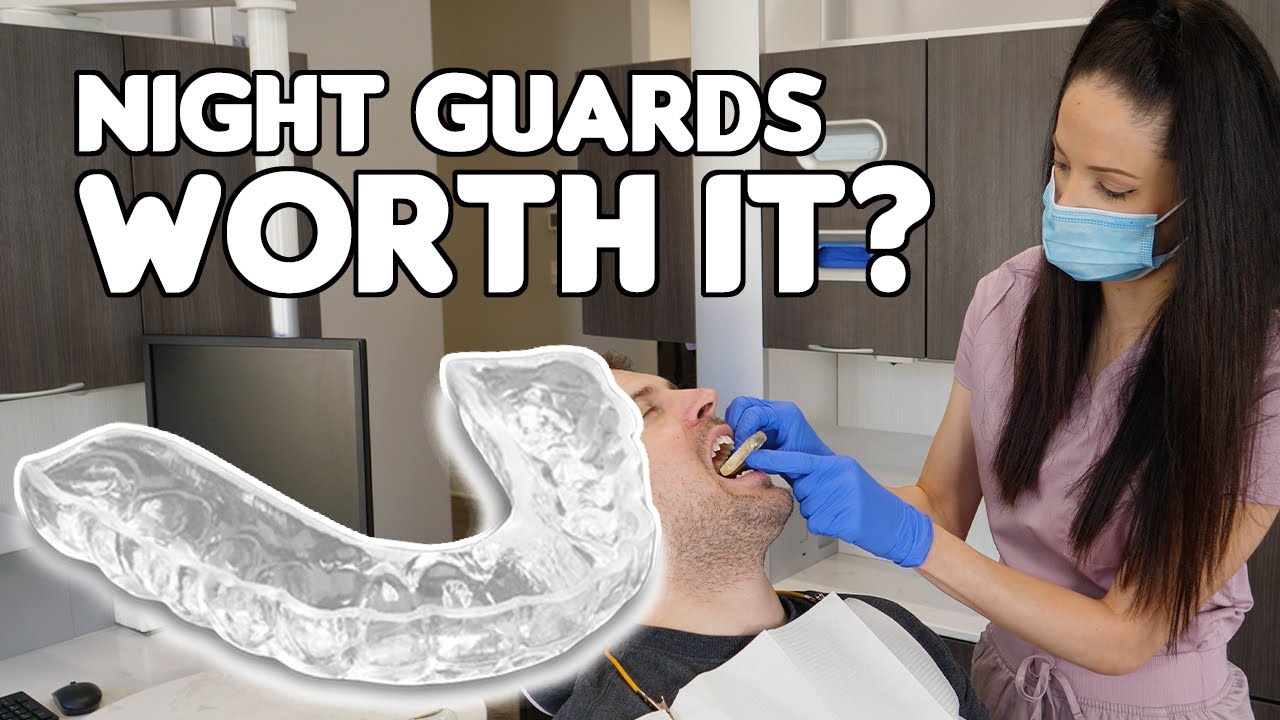
- Get the bite checked, especially if you clench or grind. Even a small shift can stress a restoration.
- Treat decay early. If you wait until a cavity is big enough to destabilize a filling, the tooth is already at a disadvantage.
- Keep an eye on cracks. Teeth can chip or fracture at restoration margins, and that often needs a different repair plan than a routine replacement.
- Use consistent brushing and careful flossing. Plaque at margins is a common reason restorations fail again.
This is also where a good discussion with your dentist matters. Ask about why it fell out, whether the tooth underneath shows signs of weakening, and what dental protection after filling loss should look like for your specific tooth.
You do not need to panic when a filling falls out, but you should take it seriously. A missing restoration is an open invitation for sensitivity and decay, and the sooner you protect the tooth and arrange repair, the better your odds of keeping it whole.